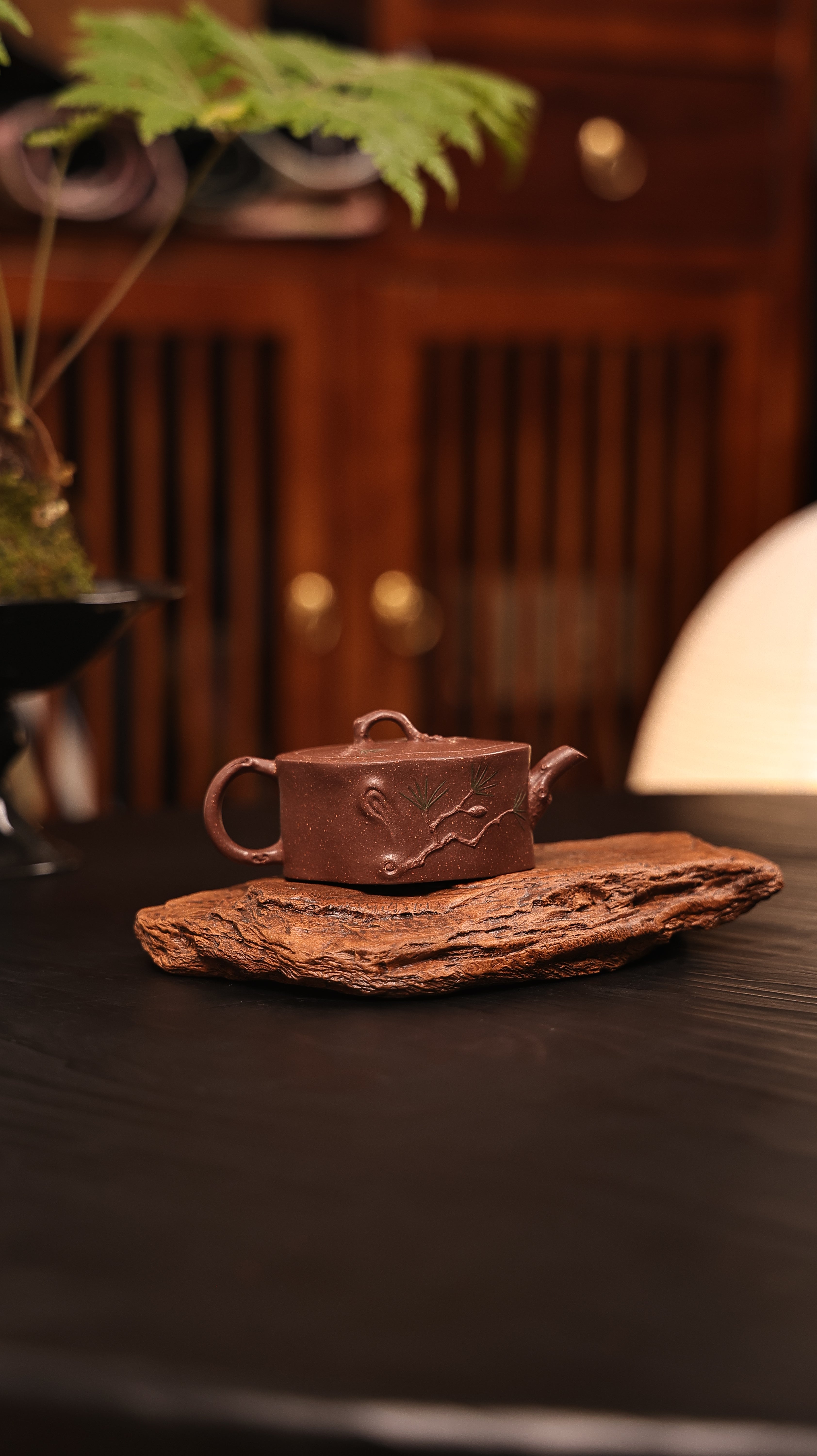
Can featuring cultural history around a Chinese Teapot deepen emotional brand connection?
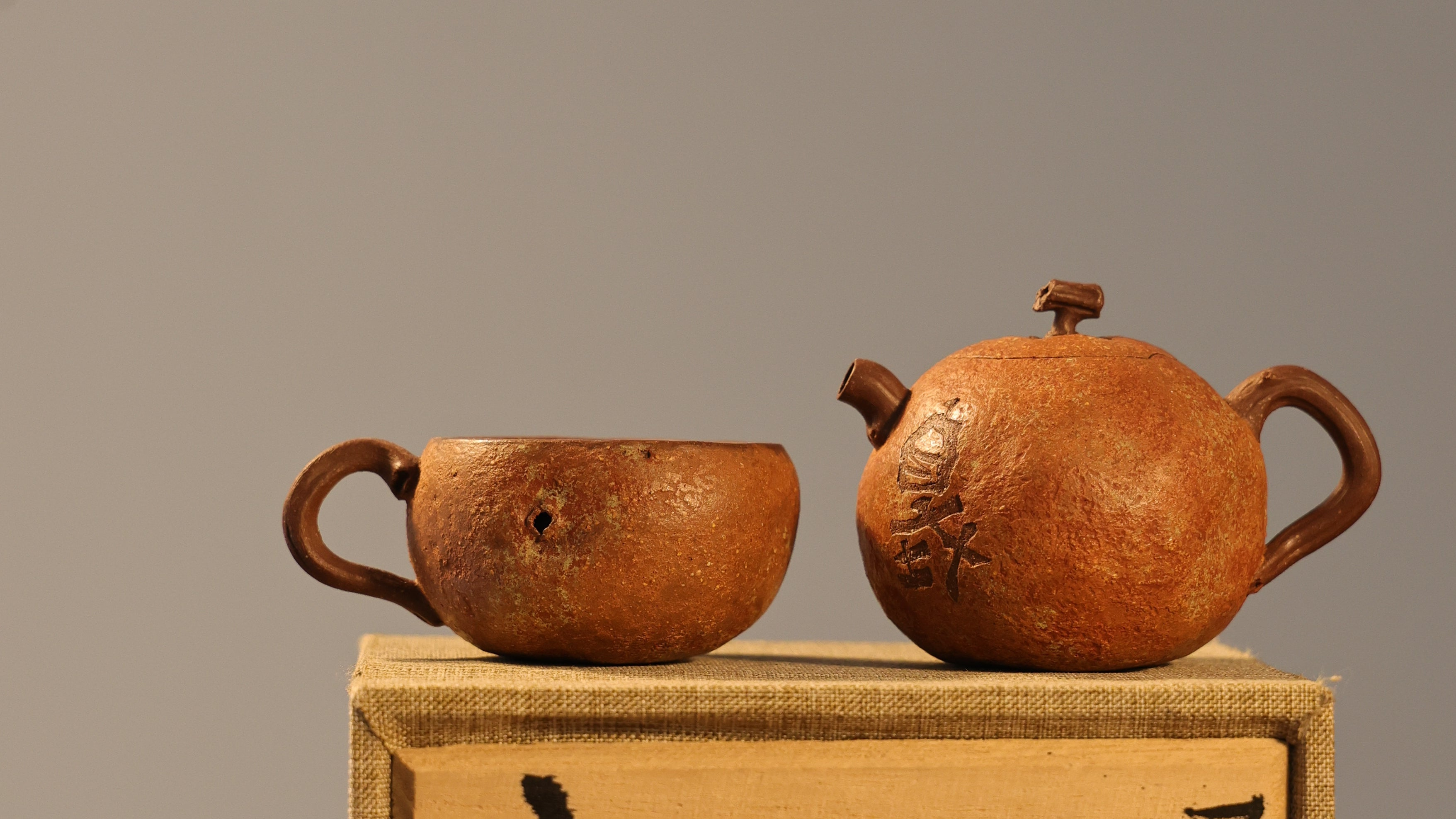
Times in experts have long valued the distinctive charm of Yixing Zisha flasks. Existing in the tranquil town of Yixing, China, these amphorae are created from a scarce and dug purple clay famous for its remarkable thermal qualities and ability to amplify the savor of liquids. Aside from their practical significance, Zisha teapots illustrate a vast historical tradition, designating them notably cherished and a true masterwork for any enthusiastic teapot fan.
Understanding Yixing Kettles
Traditional teapots exhibit a distinct integration of history and skilled craftsmanship. Originating in Yixing, Jiangsu Territory of China, their narrative stretches the Ming Dynasty, although evidence suggest earlier instances. The special burgundy clay, called Zisha, found specifically in the Yixing region, is the key component, contributing to the pots' notable heat preservation and the manner they influence the notes of tea. Successive eras of potters have mastered techniques—often handed over through families—including designing the clay, applying complex embellishments, and firing the pots at precise temperatures.- At first, Yixing teapots were often adorned with simple designs.
- Thereafter, more sophisticated carvings and iconographic motifs became widespread.
- The kiln firing itself is a vital element, requiring decades of proficiency.
Accumulating Zisha Teapots: Critical Points
Commencing a search to accumulate Zisha teapots can be pleasurable, but it’s fundamental to grasp what to inspect. Authenticity is paramount; focus on the material’s natural tinge, a gentle reddish-brown is traditional. Examine the surface; genuine Zisha has a particular tactile sensation, often described as slightly coarse. The morphology should be aesthetically sound and consistent with antique styles, while labels, if present, require thorough examination for reliability. Don’t postpone to consult with experienced dealers or credible materials – their knowledge is indispensable.
Eastern Kettles: Exploring the Custom of authentic Purple Ware
Millennia have seen Yixing Zisha teapots hold a important role in Chinese legacy. These exquisitely made pots, sourced solely from the locality of Yixing, are well-known for their peculiar cast, nature, and their ability to heighten the aroma of brews. Several collectors pursue antique Yixing teapots, appreciating them deeply not only for their aesthetic loveliness, but also for the records they express.
Yixing Zisha Teapots: The Best Types and Their Characteristics
Purple Clay teapots, coming from the Yixing area of Yixing, China, are well-known for their remarkable clay and first-rate brewing features. In the diverse Zisha types, specific categories that are highly prized include Binzhou Purple Sand. Binzhou, known for its bold purple shade and sleek texture, delivers a moderate flavor. Duan Ni form, recognizable by its coppery color and a bit grainy feel, is thought to enhance a richness. Lastly, Zhuni faction boasts an scarce crimson tone and can offer a savory nuance. Each class presents a distinct experience, facilitating them notably desirable with tea enthusiasts.
Perfecting Individual Clay Teapot
To reveal the power of your Yixing kettle, appreciating the correct way is vital. These clay pots, celebrated for their passability, will steadily absorb the quality of the tea you prepare within them. Begin by scraping the container thoroughly with warm water. Then, use only excellent full leaf tea, as lower quality options can ruin the item’s delicate aroma. Always give the leaves to develop completely, and remember that with each brewing, your Yixing pitcher will become ever appreciated.
Preserving Your Beloved Zisha Item
Proper care for your Zisha container is essential to safeguarding its character and merit. Zisha clay, known for its unique shade and Chinese Teapot texture, requires attentive handling. Never use abrasive chemicals, as these can undermine the glaze. After every utilization, rinse the kettle with comfortably warm water and allow it to air out completely.
- Shun soaking the jar for extended intervals.
- Sporadically use a soft rag to dust the exterior.
- Consider applying a thin layer of food-grade lubricant inside the urn after drying, which can prevent staining.
Basics of Yixing Vessels
Yixing containers, originating from the Yixing province in Jiangsu Province, located in China, are celebrated for their distinctive properties. Fabricated from the unique purple earth known as Zisha, these containers are prized by concoction enthusiasts worldwide. This guide will succinctly explain the basics – covering forms of Zisha ground, typical shapes, and essential care recommendations. Understanding the roots of Yixing teapots can deepen your appreciation for this time-honored example of Oriental civilization.
Fabrication of Eastern Clay Pots: Spotlighting Zisha native to the Yixing territory
Zisha pottery from the Yixing region represents the maximal point of Han kettle design, projecting a uncommon blend of earthy beauty and useful artistry. These outstanding pieces are celebrated for their intense tones, often varying from bold purples and mahogany hues to delicate greys and subtle beiges. The defining mineral composition of the typical Zisha clay imparts a noteworthy texture and renders a gratifying aroma that richens the full concoction experience, enabling them notably cherished collectibles and indispensable components of any serious ritual.