How can over-the-air verification contribute to safer, more reliable connected mobility services?

Kicking off
Each mounting intricacy among state-of-the-art motorcars obliges a deep grasp of diagnostic tools, notably pertaining to On-Board Diagnostics II (OBD2) and Tire Pressure Monitoring Networks (TPMS). Through Europe, Asia, and the US, these solutions apply using discrete frequencies. OBD2 directives are largely aligned globally, essentially utilizing ISO 9141-50, KWP2000, CAN, and others, but regional uses can present minor differences. TPMS, however, is where significant frequency discrepancies arise. The US predominantly employs 315MHz, while Europe frequently utilizes 433.92MHz, and Asia exhibits a more uneven range including both frequencies and ancillary bands. So, reliable diagnostic machinery must be armed with the capacity to process these various frequencies to facilitate effective resolution and maintenance.
Deciphering TPMS Sensor Frequencies: A Global Guide (Europe, North America, Asia)
Apprehending tire sensing device (TPMS) probe rates through the earth appears complex. Customarily, North lands chiefly utilize 315 MHz, while some newer vehicles utilize 433 MHz. Alternatively, Europe and most of Asia typically operate on the 433 MHz bandwidth, with some provincial variations present significantly in certain Asian nations. Consequently, critical to check the legitimate channel ahead of purchasing TPMS gauges to make certain conformity and skip possible snags.
EV Auto Monitors: OBD2 Compatibility and TPMS Integration
Contemporary battery-powered ride readers are increasingly integrating fundamental functionality, concerning focused on both universal On-Board Diagnostics II (OBD2) functionality and Tire Pressure Monitoring System (TPMS) linking. Plenty of zero-emission transport units utilize OBD2 ports for displaying primary system readings, granting technicians and drivers to spot emerging shortcomings. Furthermore, seamless TPMS linking provides valid tire load reports, assisting to amplified safeguarding and power performance. This combination of OBD2 interfaces and TPMS deployment indicates a noteworthy leap in battery motor vehicle examination.
TPMS Frequency Contrasts: European Region vs. The US vs. Far East - A Complete Assessment
These platforms responsible for supervising tire stress—TPMS—operate on separate radio spectrum, leading to major regional fluctuations. The United States predominantly utilizes 315 MHz, though some modern vehicles are changing to 433 MHz. European Region mandates 433.92 MHz, a fixed frequency to guarantee consistency across regions. Far East exhibits a heterogeneous landscape, with some nations using 315 MHz, others 433 MHz, and still some places employing a amalgamation of both. This contrast leads to challenges for auto shops and drivers when dealing with replacement TPMS units or diagnostic tools, demanding careful checking of regional regulations to preclude conflicts and secure proper working of the TPMS.
Vehicle Scanners for Electric Vehicles: TPMS Diagnostics & Signal Analysis
State-of-the-art transport evaluators are constantly advancing to serve voltage-driven automobiles, specifically relating to tire sensor systems inspection. Unlike gasoline cars, electric cars present unique problems when it comes to air pressure management verification. Many electric rides use diverse tire sensor platforms signals requiring the scanner to unerringly analyze the signal in use. This feature authorizes experts to just read inflation levels but also trace the precise broadcast being dispatched by the pressure system sensors, promoting in precise identification of defects.
Asia Tire Monitoring Wavelengths: Which Need Know?
Navigating the world of car TPMS can be a headache, primarily due to the varying signals utilized across Western Europe, Asia, and the United States. The EU’s vehicles predominantly use 433.92 MHz, while countless Asian countries employ 315 MHz and 433.92 MHz, creating a challenging situation for technicians. In the US, both 315 MHz and 433.92 MHz are popular, with 315 MHz being more popular. So, understanding these regional distinctions is indispensable for accurately addressing TPMS deficiencies and selecting the suitable programming tools.
Developing an Groundwork: Car Diagnostics, Electronically Powered Automobiles, accompanied by Pressure Detection Module Signal Deciphering
As professional ride specialists, solely understanding those main points regarding car scanning, energy-powered auto frameworks, including tire sensor systems gadget channel detection indicates particular important following degree. The latter topics extend throughout primal approaches, necessitating specific devices together with skill to precisely identify along with repair tricky challenges pertaining to car wheel levels, energy source system operation, even motor failure alerts. In addition, efficiently diagnosing pressure detection sensor frequencies – which vary across various manufacturers or versions – can be critical for successful recalibration.
Electric Vehicle Diagnostics: Using OBD2 Scanners to Troubleshoot TPMS
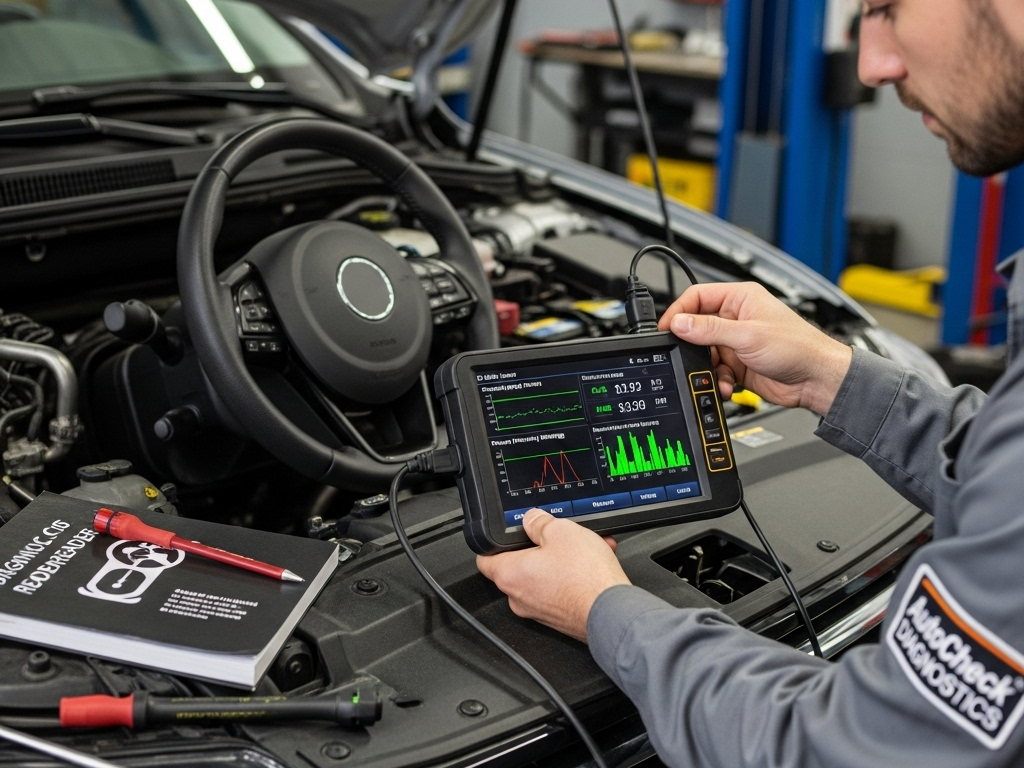
Troubleshooting Tire Pressure Monitoring Systems TPMS in electric vehicles EVs often requires more than plainly visual inspection. Modern OBD2 testers offer noticeable ability to get TPMS data and spot potential failures. Utilizing these instruments, technicians can read fault codes, evaluate sensor quality, and even implement sensor inspections, allowing for accurate diagnosis of tire monitoring errors and minimizing repair time. This is especially critical given the mounting complexity of EV infrastructure.
Understanding Tire Monitoring Channels: A Hands-on Manual for European Union, Asian Continent, and North American Zone
Reliably engaging with tire monitoring sensors amongst the EU, Asian Subcontinent, and American Continent necessitates a sufficient familiarity of the different spectrum allocations they apply. Distinct from a even system, the world generally maintains specific bandwidths. Such as Continental Europe principally employs 315 MHz and 433.92 MHz frequency, while the US & Canada typically relies on 315 MHz though a tpms frequency europe asia north america few newer vehicles would adopt four hundred thirty-three point nine two MHz. Asian Subcontinent displays a richer complexity situation, with a range of frequency ranges applied, in accordance with the nation and car manufacturer.
- Deliberate on area rules regarding signal transmission.
- Consult your driver's guide for explicit signal.
- Utilize a monitoring device specialized in evaluating several signals.