How do you choose the right Yixing Zisha Teapot for oolong, green, and black teas?
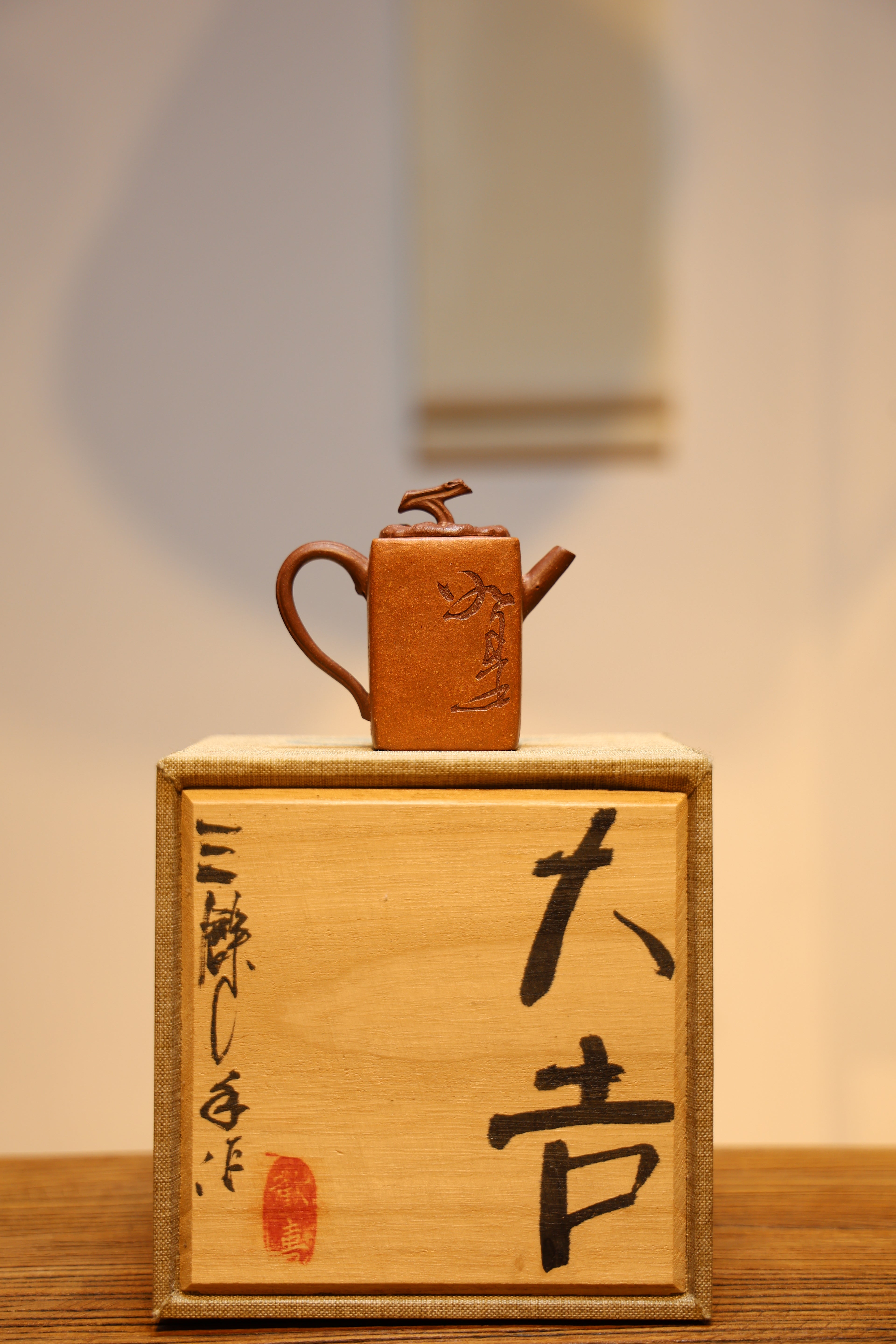
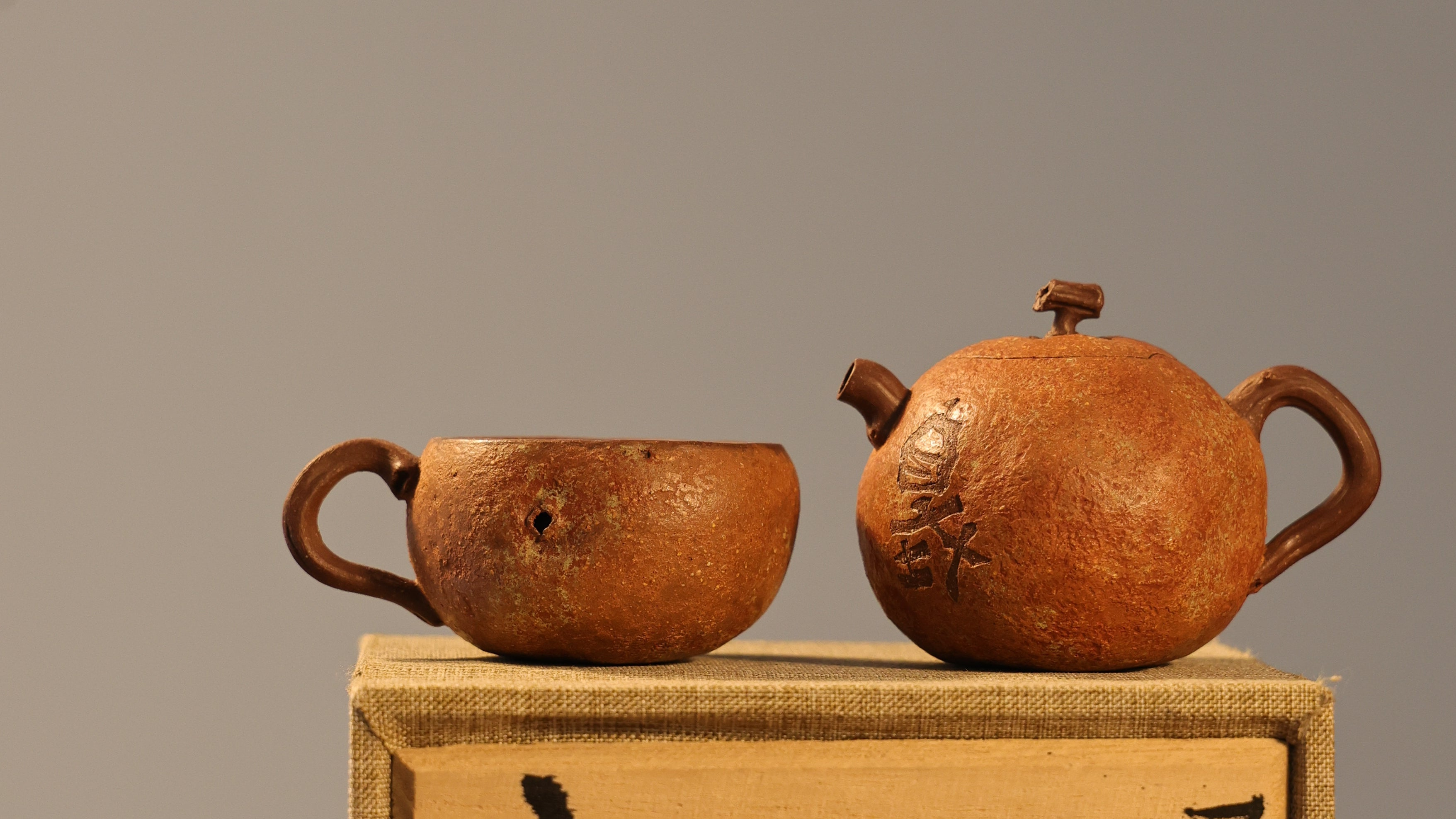
Epochs of aficionados have favored the distinctive enchantment of Yixing Zisha flasks. Born in the secluded town of Yixing, the territory, these jars are formed from a peculiar and recovered purple clay recognized for its extraordinary thermal attributes and ability to amplify the savor of beverages. Apart from their functional appeal, Zisha teapots express a deep cultural roots, transforming them extremely treasured and a undisputed find for any dedicated teapot collector.
Examining Yixing Clay Pots
Famous teapots demonstrate a noteworthy unification of history and traditional craftsmanship. Coming in Yixing, Jiangsu Locale of China, their narrative stretches the Ming Dynasty, although evidence suggest earlier instances. The special wine-colored clay, called Zisha, found uniquely in the Yixing region, is the vital component, contributing to the pots' remarkable heat maintenance and the manner they enhance the aroma of tea. Continuums of potters have enhanced techniques—often bequeathed through families—including coiling the clay, applying sophisticated embellishments, and firing the pots at controlled temperatures.- Historically, Yixing teapots were often enhanced with simple designs.
- Later, more advanced carvings and figurative motifs became favored.
- The kiln firing itself is a vital element, requiring extensive periods of proficiency.
Obtaining Zisha Teapots: Fundamental Factors
Undertaking a quest to gather Zisha containers can be fulfilling, but it’s vital to discern what to look for. Authenticity is essential; focus on the clay’s natural tint, a faint reddish-brown is common. Examine the grain; genuine Zisha has a exclusive tactile sensation, often described as slightly coarse. The outline should be symmetrical and consistent with historical styles, while impressions, if present, require scrupulous examination for genuineness. Don’t refrain to consult with skilled connoisseurs or dependable sources – their expertise is indispensable.
Oriental Pots: Delving into the Custom of authentic Yixing Clay
Periods have seen Yixing Rare Clay teapots maintain a special role in Chinese history. These meticulously formed pots, sourced exclusively from the locale of Yixing, are famous for their unique color, consistency, and their ability Yixing Zisha Teapot to refine the essence of beverages. A multitude of collectors chase antique Yixing teapots, treasuring them profoundly not only for their aesthetic grace, but also for the heritage they express.
Yixing Zisha Teapots: Distinguished Ultimate Varieties and Their Features
Purple Earthenware teapots, established in the regional province of Yixing, the country, are distinguished for their exceptional clay and exceptional brewing powers. Amidst the multiple Zisha types, selected sorts that are highly coveted include Mingzhong. Binzhou, known for its vivid purple shade and smooth texture, delivers a soft flavor. This Duan Ni variety, recognizable by its reddish color and somewhat grainy feel, is believed to enhance tea’s body. Lastly, Zhuni Zisha boasts an rare maroon tone and can convey a gentle nuance. Each kind offers a individual experience, bringing them remarkably desirable among liquid enthusiasts.
Refining One’s Purple Clay Cup
To realize the essence of your Yixing teapot, familiarizing oneself with the correct system is vital. These clay receptacles, celebrated for their filtering ability, will progressively accept the core of the tea you steep within them. Begin by purifying the pot thoroughly with hot water. Then, use only fine whole leaf tea, as lower quality options can impair the teapot’s delicate flavor profile. Always enable the leaves to open completely, and remember that with each preparation, your Yixing vessel will become continuously cherished.
Conserving Your Priceless Zisha Keepsake
Proper handling for your Zisha jar is vital to conserving its longevity and price. Zisha clay, recognized for its unique tinge and composition, requires mindful handling. Never use harsh agents, as these can undermine the coating. After every utilization, rinse the kettle with comfortably warm water and allow it to dry completely.
- Eschew soaking the jar for extended durations.
- Sometimes use a soft cloth to buff the exterior.
- Evaluate applying a thin layer of food-grade oil inside the container after drying, which can diminish staining.
Essentials of Yixing Pots
Yixing clay pots, originating from the Yixing territory in Jiangsu Province, in the People's Republic, are celebrated for their distinctive characteristics. Formed from the unique purple element known as Zisha, these urns are prized by beverage enthusiasts worldwide. This manual will clearly explain the nuts and bolts – covering types of Zisha soil, well-liked shapes, and fundamental care helpful hints. Understanding the background of Yixing vessels can broaden your appreciation for this revered example of Han tradition.
Art of Zhongguo Earthenware: Emphasizing Zisha produced in the Yixing territory
Zisha clay from Yixing City represents the zenith of Mandarin earthenware design, exhibiting a rare compound of elemental beauty and valuable artistry. These celebrated pieces are honored for their saturated tints, often ranging from deep purples and rust hues to subtle greys and muted beiges. The salient mineral composition of the local Zisha soil imparts a noteworthy texture and renders a gratifying aroma that amplifies the full potion experience, contributing to them strongly valued collectibles and fundamental components of any serious infusion.