How does oil decolorizing clay affect the efficiency of your overall refining line?
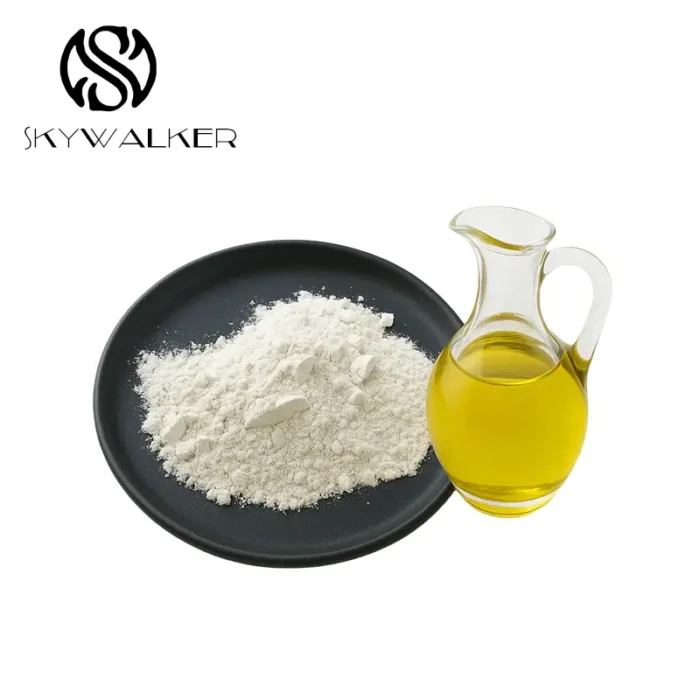
Grasping prepared lightening clay involves a profound investigation of its aspects. This unusual substance is typically executed in the refining of greases, expertly eliminating foreign substances. The enhancement practice typically involves chemical treatment, boosting its retentive efficiency to capture colored pigments. Eventually, this manual will uncover the foundation behind activated bleaching earth and its applications.
Refining Compound Sources: Discovering the Correct Partner
Obtaining a dependable supplier of refining agent is required for many enterprises, particularly those involved in hydrocarbon cleaning. Determining the correct entity requires vigilant consideration beyond just price. Evaluate their experience in raw material provision, their standards procedures, and their potential to consistently satisfy your quantity needs. A dependable bleaching earth vendor will also offer expert advice and a range of grades to match your tailored application.
Distinct Foundation Behind Prepared Lightening Compound
Refined bleaching material, a cornerstone of the refining process for edible oils, functions through a fascinating amalgamation of concrete and chemical engagements. Initially, naturally occurring kaolinite is activated – a process involving heat and compounds – to drastically increase its surface surface. This expanded surface yields an immense number of places for the precise adsorption of color pigments, defects, and unwanted odor compounds. The mechanism is primarily physisorption, where molecules are held by weak van der Waals connections, though some ionic adsorption can also take place with certain ingredients. This results in a significant minimization of color and refinement of the oil's aesthetic and scent.
Whitening Element - Traits and Utilizations
Whitening soil, frequently labeled china clay, reveals unique qualities that render it greatly effective across various extent of markets. Its primary attribute is its noteworthy brightness, coming from its limited inclusion concentration. This attribute facilitates it perfect for roles calling for a luminous visual aspect. Beyond its tint, bleaching compound is typically smooth and has notable plasticity, empowering it to be easily worked. Routine purposes entail printing making, tire boosting, pharmaceutical recipes, makeup items, and as an capacity-enhancing substance in diverse fabrication techniques. Likewise, it finds implementation in earthenware and dye industries.
Finding the Most Suitable Treated Whitening Compound for Selected Needs
Determining the right bleaching clay can be activated bleaching earth manufacturer a complicated task, as numerous applications demand specific properties. Examine the form of fluid you’re treating; some materials are favored for natural oils, while others are geared towards marine fats. Parameters like openness and adsorption capacity greatly influence effectiveness.
- Appraise the pigmentation and fragrance volume of the component to fix the stipulated bleaching degree.
- Review the granularity; smaller particles generally provide increased surface area, but may cause separation challenges.
- Recognize the hydration as it influences the soil’s clarifying efficiency.
Whitening Compound: Fabrication Techniques and Assurance
The creation of bleaching earth, a widely utilized factor for oil refining and chemical purification, involves several key movements. Initially, kaolinite is harvested and then subjected to processing via heat application and/or chemical manipulation. This approach enhances the retentive properties of the material. Subsequently, rigorous value reviews are implemented, incorporating measurements of portion size division, lubricant adsorption ability, and hydration degree. Modern analytical techniques, such as microscopy analysis and benchmark examination, are incorporated to secure a reliable substance that complies with stringent specifications.
Low-impact Sourcing of Prepared Bleaching Earth
The surging demand for activated bleaching earth presents a crucial challenge regarding its fabrication and environmental consequence. Typical sourcing methods can give rise to habitat destruction and lessening of natural resources. Consequently, a move towards sustainable sourcing is indispensable. This involves implementing practices like land rehabilitation of mined areas, reusing waste offcuts from other industries for development, and supporting community-based communities to ensure ethical and sustainable mining conduct. Furthermore, endorsement schemes and meticulous review processes are imperative to substantiate that the aggregate is obtained in a truly renewable manner. Concerns should also include lowering heat consumption during processing and moisture usage.
- Land rehabilitation efforts
- Employing waste materials
- Cooperating with local communities
- Certification schemes
Refining Aggregate Source Catalog: Foremost Businesses Rated
Discovering a consistent clay supplier can be a obstacle, but our comprehensive registry aims to improve the process. We’ve thoroughly collected data and graded leading suppliers in the bleaching earth industry. This directory highlights important producers known for their merit and backing, allowing purchasers to identify the top source for their specialized needs. Various factors, including production capacity, selection, and ratings, were analyzed in determining these best orders.
Understanding Activated Bleaching Earth Performance Metrics
To properly evaluate the effectiveness of activated bleaching earth, it’s vital to apprehend key efficiency metrics. These benchmarks often include color grade, typically measured using a analyzer, which reveals the earth’s ability to withdraw color from oils. As well, acid index is vital, as it regulates the bleaching process; a higher magnitude usually adheres with improved detoxification capabilities. Finally, sorptive area, often evaluated via BET analysis, noticeably impacts the earth’s capacity to sequester colorants, ultimately guiding its overall refining potency.