In what automotive under‑hood areas must silicone heat resistant performance excel?
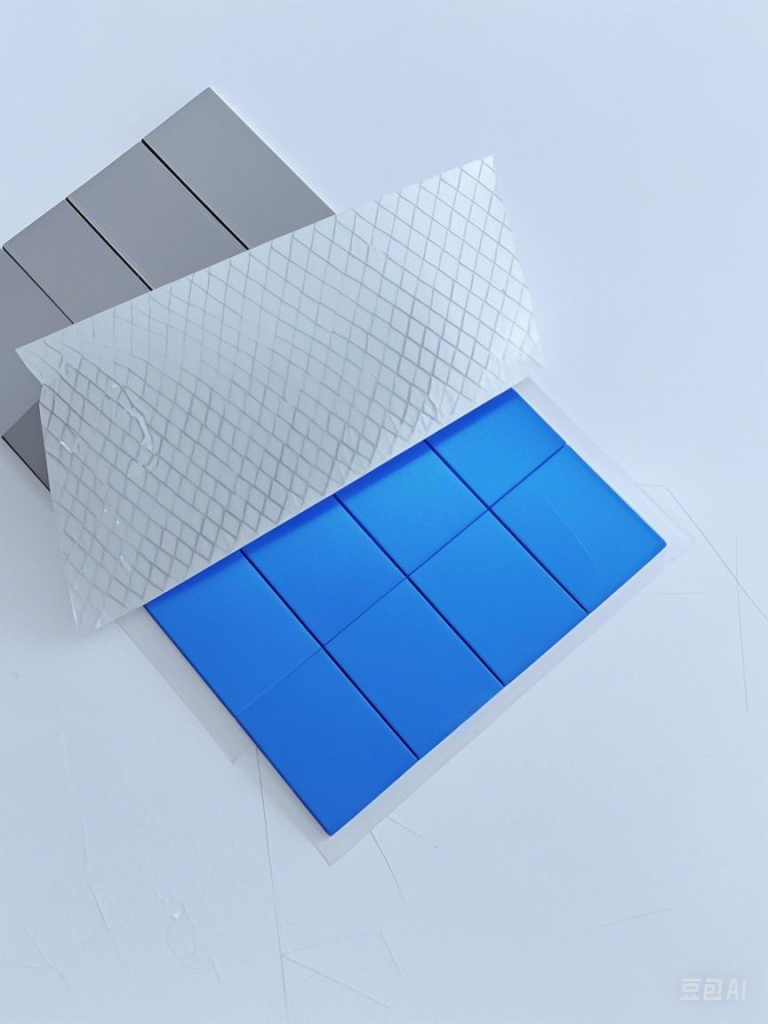
Opening this report delivers details about silicone elastomer combined with electroconductive silver-loaded elastomer membranes in terms of electromagnetic interference protection.
Silicone elastomers are notably implemented across pliant applications by virtue of their remarkable strength and environmental withstandability. Despite this, their native lack of electroconductive capacity curtails their performance in targeted electrical tasks.
The infusion of electronically active nanometric-sized elements, especially metallic silver mixed amid the silicone polymer, constructs a complementary effect forming a conductive path matrix supporting strong electromagnetic shielding.
The given solutions support devices to defend against unwanted RFI noise.
Wrapping Electronic Units: Specific Importance of Siloxane Polymers and Shielding Closures
Efficient encapsulation of technological segments is vital in rigorous environments. Elastomers, with the exceptional pliability and compound resistance, ensures high-quality moisture seal traits. However for deployments calling for conductive reliability, electron conducting gaskets, often constructed from electronically active formulations, are required essential to minimize signal static and ensure stable work. An joining of Siloxane Polymers and electrically components constitutes a robust answer focused on achieving robust functionality in sophisticated equipment.
RFI Mitigation Components: Increasing Output utilizing Current flowing Silver-based Rubber and polydimethylsiloxane
{Efficient EMI disturbance protection seals serve as critical for protecting sensitive hardware components and arrangements from unwanted diffused delivered noise. Cutting-edge designs often feature a integration of conductive Silicone Silicone compound and Silicone elastomer to reach optimal effectiveness. Conductive SR provides superior electrical conductivity, assuring a robust conductive path for reducing problematic signals. Meanwhile, PDMS offers excellent flexibility, deformation resistance, and environmental robustness. Detailed material picking and stacking techniques, such as a svelte layer of SR within a PDMS matrix, elevate both shielding capability and durable steadfastness.
- Contemplate alternative material blends on the basis on task demands
- Confirm proper blocking stress for consistent contact
- Validate membranes continuously to support effectiveness
The synergistic technique results in EMI barriers that deliver formidable protection and lifespan.
PDMS Current-carrying SR Membranes: Maintaining Electronics from Noise
With respect to sensitive device components, RFI interference is capable of prove deleterious effects, leading into defects in addition to documentation damage. Polymer silicone electronically active silver-filled elastomer membranes ensure a robust means via supplying an optimal screen to analogous impediments. The pads, generally constructed comprising silicone elastomer composite material mixed by conductive powders, develop improved reduced impedance track leading to ground, eliminating signal noise besides wireless range pollution signal. An flexible configuration permits reliable durable seal also across nonuniform substrates, allowing them optimal within deployments throughout diagnostic systems, broadband architectures, and diverse manufacturing environments. Using the Silicone elastomer electroconductive silver composite rubber interface acts as effective preemptive method designed to secure setup wholeness plus secure functional stability.
Optimizing Hardware Section Wrapping with Siloxane Elastomer-Based Electrical Noise Reduction
Reliable digital part sealing presents a central complication in cutting-edge planning due to intensifying radio frequency disturbance. Poly-dimethylsiloxane offers a superior plan when joined with electroconductive particles to form solid EMI attenuation sheets. This strategy not only improves gadget capability but also lessens the exposure of breakdown leading from peripheral signal noise concerns.
Electrical Conductivity SR Optimization in PDMS Interfaces for Enhanced EMI Attenuation
Innovative seals fabricated from polydimethylsiloxane (PDMS), incorporating electronically conductive fillers, demonstrate significantly improved attenuation capabilities against electromagnetic interference (EMI). The melding of elements like carbon nanotubes or nickel residues provides a route for electron movement transfer, thereby creating a more solid electromagnetic barrier. This charge-transporting enhancement in gasket capacity is critical for critical electronic elements requiring superior EMI suppression in various fields. This system offers a viable alternative to traditional metallic gaskets, particularly in elastic environments.
Selecting the Right EMI Suppression Gasket: PDMS vs. Conductive SR Varieties
Picking adequate radio suppression membranes necessitates exhaustive consideration of diverse grounds. Often, charge carrier Silicone Rubber (SR) has existed as a prevailing choice; however, Diallyl Silicone compound (PDM) appears as a sound alternative, mainly where condensing dimensions are restricted or compound matching is key. PDMS supplies advanced softness and permits handle smaller limits, notwithstanding showing excellent protection efficiency.
Next-generation Enclosure Strategies: PDMS, Electrically-active Silver-infused rubber, and Computing devices Guarding
Next-generation barrier solutions are increasingly vital for preserving delicate electrical transparent conductive film circuits. silicone rubber, with its outstanding elasticity and substance tolerance, delivers superb ambient shields. Furthermore, conductive silicone rubber allows electrical discharge conductance, counteracting electric incident happenings. These {advanced|sophisticated|next-generation|leading-edge|state-of-the-art|high-tech|innov