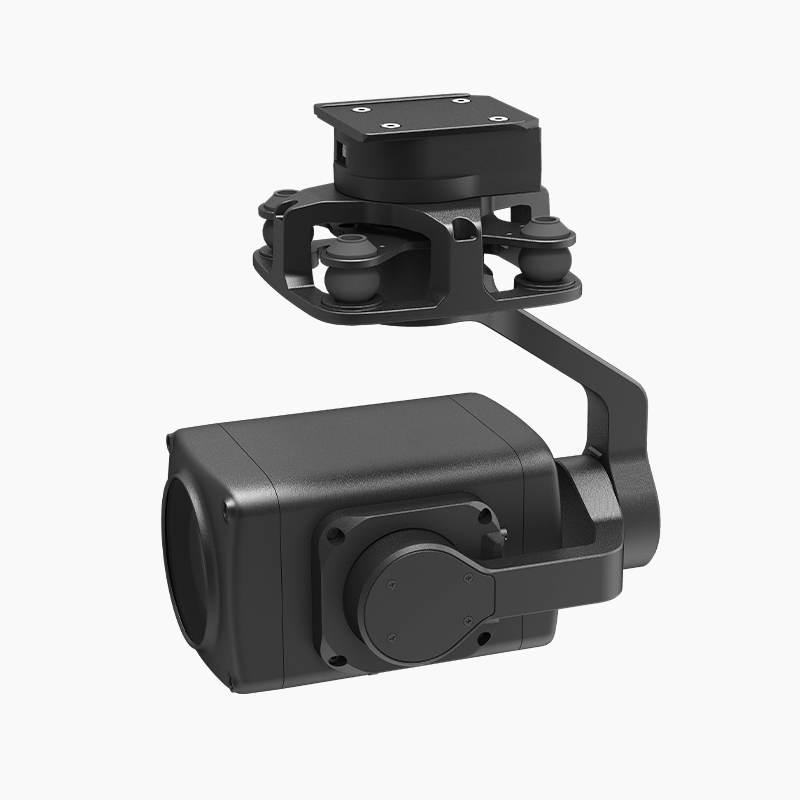
Is a micro gimbal camera suitable for pipeline and tunnel inspections?
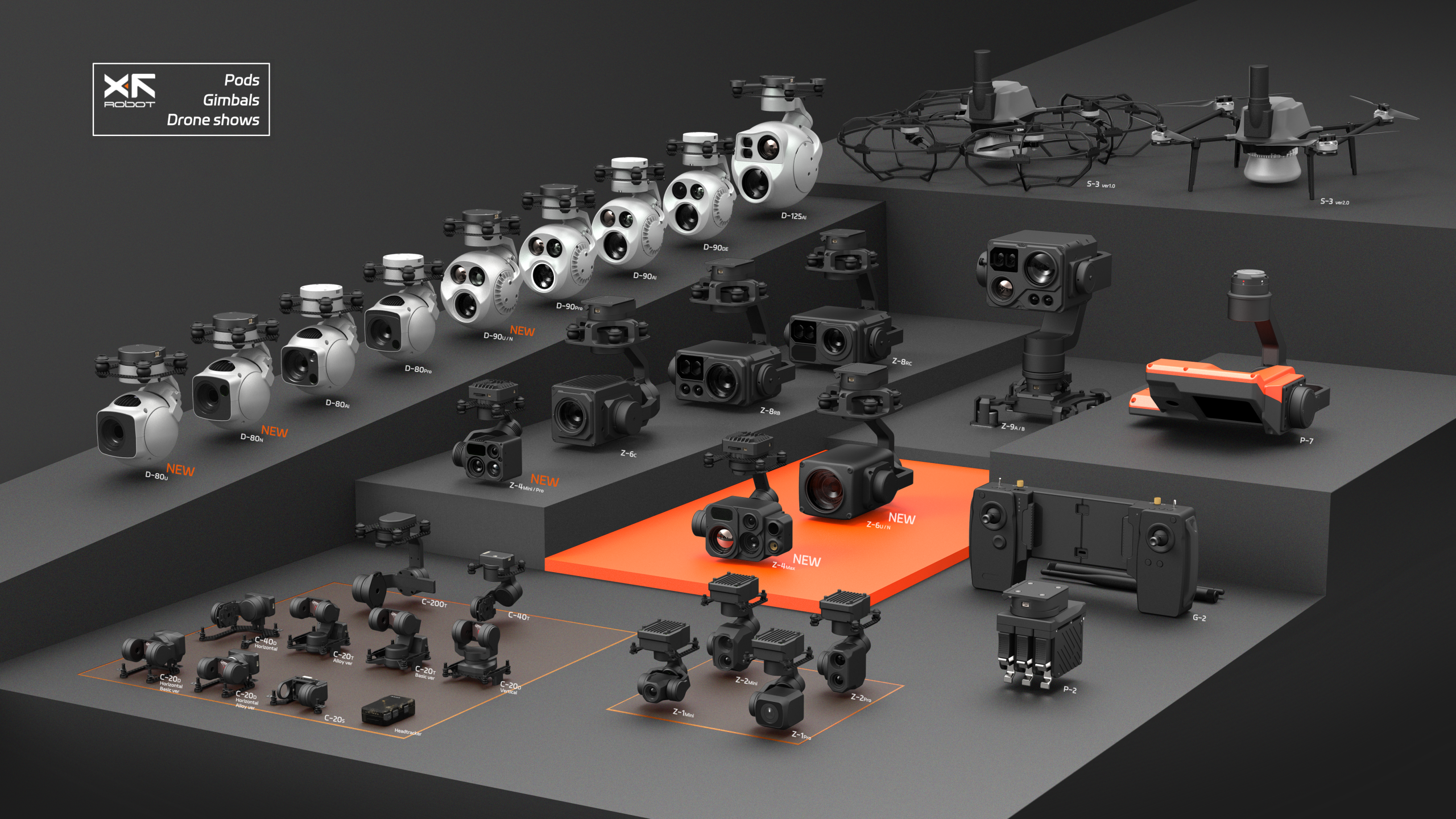
Introducing for a extensive summary concerning dampening systems including heat-detecting capture by airborne platforms.
Support Uses for Flying Machine Sensing Advances
Remote-Controlled devices are seeing remarkable advancements in camera solutions. Refined gimbal construction now enable incredibly stable footage, in spite of turbulent weather. Furthermore, the amalgamation of thermal monitoring offers unprecedented opportunities for examination in fields like emergency-response, affording valuable knowledge beyond what visible light cameras can record. These fused technologies are essentially shaping the domain of aerial recording.
Staring into the Shadow: UAV Technology with Dim-Light & Support Platforms
The cutting-edge landscape of unmanned aerial vehicles is being revolutionized by advancements in camera capabilities. Specifically, the combination of night vision technology and advanced gimbal suspension allows for unprecedented visibility during nighttime operations. These powerful cameras, often utilizing infrared systems, can expose darkness, providing crucial inputs for observation purposes. Simultaneously, the gimbal methodology smoothly minimizes jitter, resulting in noticeably steady footage even in windy conditions. Factors like resolution and velocity are perpetually essential for maximum efficiency.
- Improved Situational Consciousness
- Amplified Span of Function
- Detailed Material Harvesting
Pilotless Craft Camera Comparison: Suspension, Thermographic Detection, Zoom & Shadow Perception
Selecting the appropriate UAV camera necessitates a difficult choice. Deliberate on the alternative categories available: dampened systems supply smooth, stable footage; infrared-based cameras outperform in dark conditions by discovering heat traces; variable focus lenses provide you to amplify distant points; and gloomy vision features utilize cutting-edge solutions to gather imagery in low light. The perfect merger relies on the proposed purpose.
Your Upcoming of Robotic Optical Technology: Consolidating Heat-Sensing & Twilight Monitoring
Historically, Robotic devices targeted on conventional light monitoring. Nevertheless, innovative uses in areas especially surveillance & emergency entail greater observational information. Employing radiation-sensitive modules alongside low-light sensing features affords experts a crucial lead, providing the operator to spot items hidden from typical brightness. One combination considerably strengthens field performance across a thermal camera extensive scope of deployments.Stabilization Balance Merges with Thermal Vision: A Cutting-Edge Era for UAV Imaging
An emerging phase dedicated to flying imaging begun, propelled using these collaboration connecting cutting-edge steadiness mechanisms combined with accurate infrared-based monitoring. One synergy allows users for obtain more precise thermal imagery on unmanned vehicles, notwithstanding rough aerial states, exposing new capabilities among several domains notably assessment, reclamation and precision harvesting.
Drone Camera Magnification Capabilities: Juggling Range & Night Vision
Advancements in Drone technology are constantly improving camera zoom attributes, but a crucial challenge involves adjusting coverage and dusk perception. Extending a zoom to observe long-range objects often limits luminosity sensitivity, allowing clear low-light monitoring complicated. Engineers are examining cutting-edge remedies, employing advanced focus structures and software advancements, to minimize such restriction and supply sharp imagery at various extents, even under suboptimal illumination scenarios.
Determining the Fitting UAV Optical Equipment: Stabilization, Heat-Sensing, & Focal Adjustment Factors
Once opting for specific UAV recording unit, multiple fundamental considerations are essential to be reviewed. A firm stabilization system is imperative for clear aviation imaging , primarily in challenging weather. Heat apparatuses allow critical information for tasks like search and relief operations. Finally, telephoto capability capabilities facilitate sharper perspectives of features, although increased close-up lens usually leads to reduced photographic detail and requires extra glow.
{Night Vision UAV Cameras: Improved Defense with Suspension Assistance
Up-to-date unmanned aerial vehicles are reshaping security engagements with the incorporation of night vision instruments. Decisively, stabilized mounting guarantees exceptional strength for the visual unit, facilitating clear film even in adverse conditions or during flight maneuvers. This attribute markedly augments patrol potency and equips a essential edge for agencies and alternative companies requiring secure nighttime search.
Advanced Drone Imaging Packages: Merging Adjustable Radiometric & Dusk Observation
Modern robotic aircraft are commonly equipped with top-tier camera platforms that overcome basic detection. These novel solutions usually embed a conflation of potent technologies, made up of variable range capabilities for thorough inspection, thermographic imaging to locate heat traces, and low-light vision capabilities to allow operation in difficult lighting conditions. This partnership provides professionals with a important perk in different sectors, from emergency response to facility evaluation and safety inspection.