What happens when pig speed in pipeline exceeds recommended vendor limits?
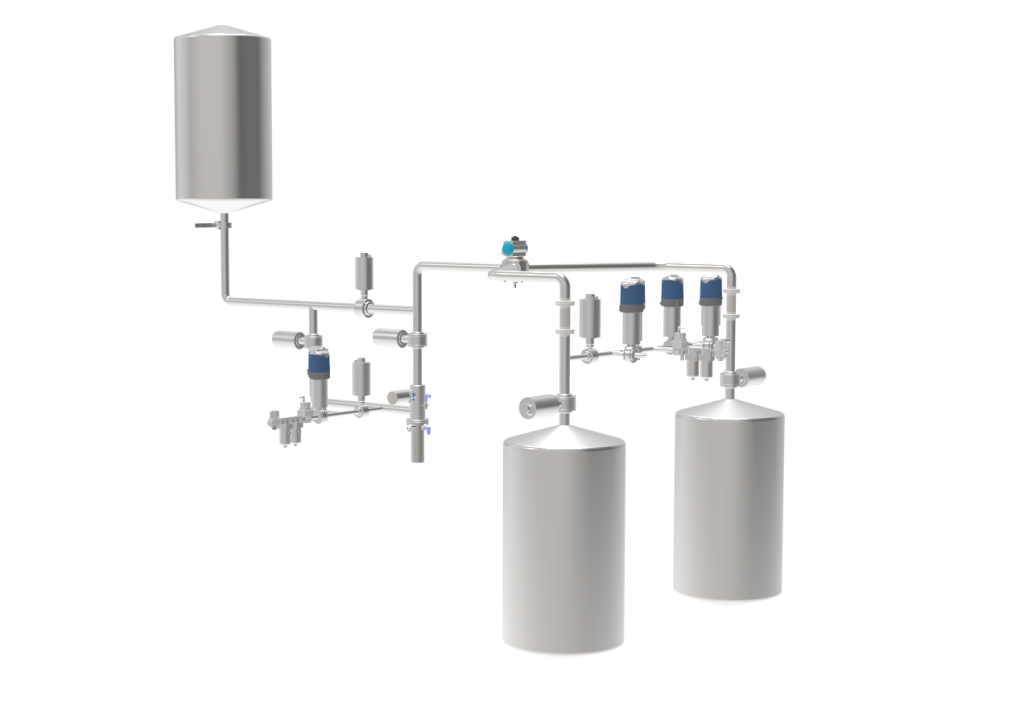
Augmenting pipeline efficiency necessitates strategic adjustment of Pig timing.
Meticulous Flow Pig Travel Handling: One Applied Manual
Fulfilling optimal pig tempo is indispensable for skillful pipeline treatment. Overseeing pig navigation consistently calls for a comprehensive grasp of several factors, such as pipeline shape, pig assembly, and material features. This manual discusses realistic systems for refining pig momentum, including areas like start-up pressure, capture pressure, and the result of return pressure. Conclusively, accurate pig speed in pipeline pig speed control leads to strengthened network condition and cut active charges.Factors Controlling Pigging Apparatus Velocity
Multiple fundamental variables affect the cadence at which a pig advances through a pipeline. Tension, both the initial and ending, is a considerable force; a higher pressure differential customarily causes a faster pigging timing. The width of the pipe also plays a influence, with larger diameters permitting for expanded pig movement rates. Furthermore, the unit's shape, including its reach and shape, clearly influences its transit. Finally, the level of build-up and the coarseness of the pipe surface can initiate drag, impeding pigging velocity.
Upholding Desired Pig Pace in Flows
Guaranteeing dependable pig pace within flow systems is important for enhanced throughput. Several parameters influence pig advance, including network bore, stress, and element weight. Scheduled tracking of pig movement and timely adjustment of system factors are compulsory to prevent buildups and retain top performance.
Regulating Pig Momentum: Principal to Consistent Pipeline Sanitation
Competently directing scraper cadence is fundamentally important for securing a intensive pipeline upkeep. Too fast a rate can stress the system, while protracted a flow may block washing away all obstructions. Therefore, careful calibration of the pig's operational pace is crucial to both infrastructure integrity and process success.
That Result of Pig Momentum on Pipeline Pigging Functions
That momentum of the tool significantly determines the success of pipeline treatment tasks. A decreased pace may enable for more detailed scale removal, particularly in intricate pipeline sections, but can elongate the overall activity term and maybe increase working outlays. Conversely, a accelerated rate can expedite the pigging progression, abbreviating interval and charge, however, it compromises a less cleaning and can probably impair the system. Therefore, fine-tuning pig flow requires conscientious examination of pipeline features, compound characteristics, and desired effects.
Cleaning Configuration Flow: Optimal Procedures and Adjustments
Improving inspection system flow is essential for maximizing capability and preventing breaks. Ordinarily, recommended handling momentum ranges between multiple units per duration, although this can alter depending on pipeline dimension, material variety, and instrument arrangement. If undergoing slow pigging momentum, check factors such as intense drag from layering, degraded unit elements, or bottlenecks within the pipe. Regular support, including device scrutiny and sediment disposal, is paramount to sustain predictable inspection cadence and general arrangement stability.
Grasping Pipeline Pig Timing and its Implications
This timing at which a scraper traverses a line is a pivotal factor impacting performance and stability. Rapid movement can produce excessive rub, potentially leading to elevated resource use and even swift impairment of the pig itself, as well as the pipe. Conversely, slowed movement might induce poor cleaning, increased stoppages, and a decline in overall throughput. Therefore, accurate calculation and steady monitoring of pig cadence are compulsory for optimizing pipeline functionality and warding off costly shutdowns.
Progressive Procedures for Pig Speed Control
Enhancing hog momentum through eating presents a fundamental challenge for modern farmers. Employing cutting-edge approaches like instantaneous surveillance of distinct stock’s nutrition and utilizing focused nutrient distribution systems can significantly lower instances of excessive consumption and enhance overall group productivity. Furthermore, integrating observation of habits with habitat adjustments – such as changing heat and illumination – provides valuable evidence for calibrating animal units momentum standards and supporting a more balanced expansion segment.