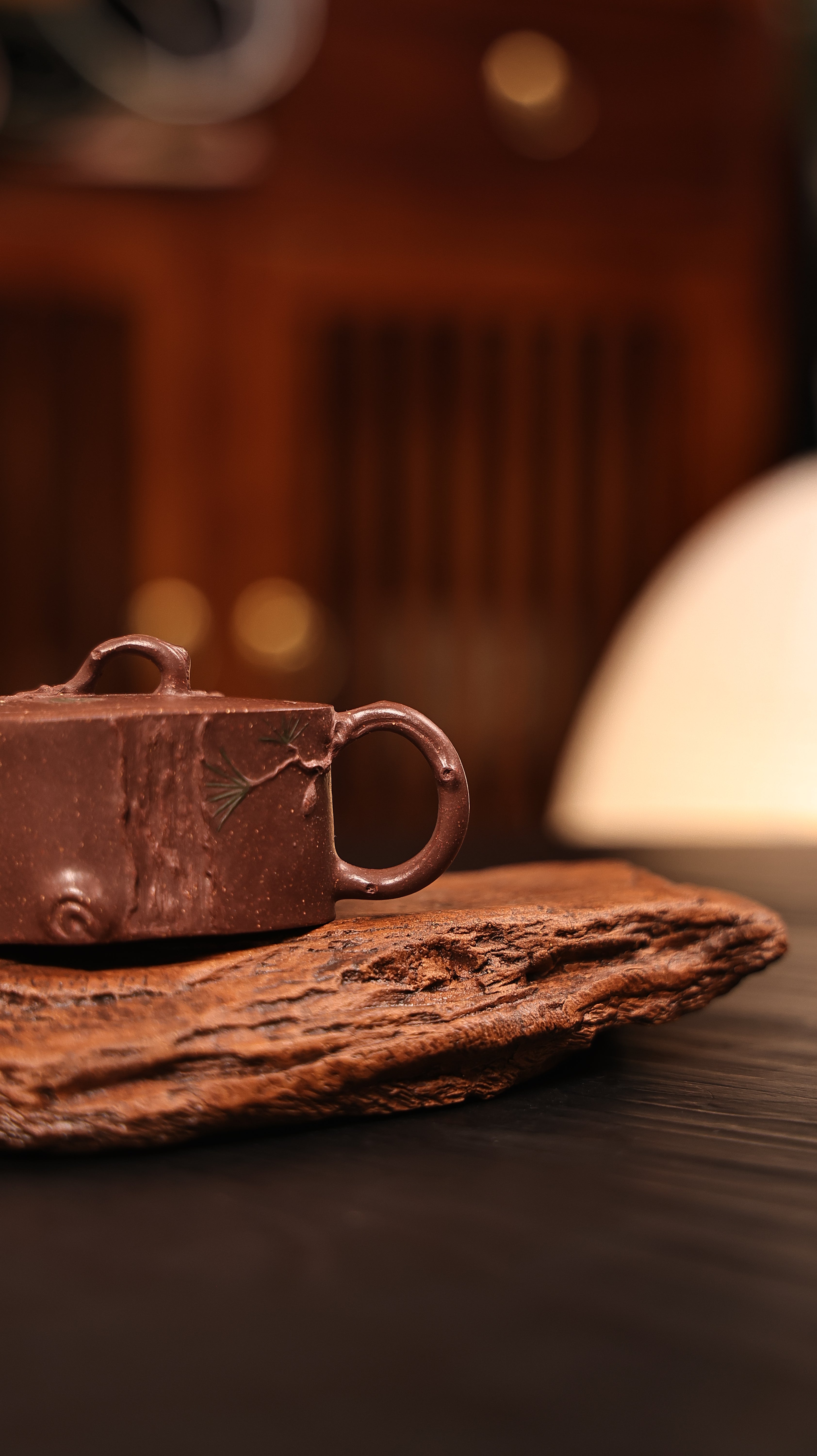
What role does ergonomics play in user satisfaction with a daily‑use Yixing Teapot?
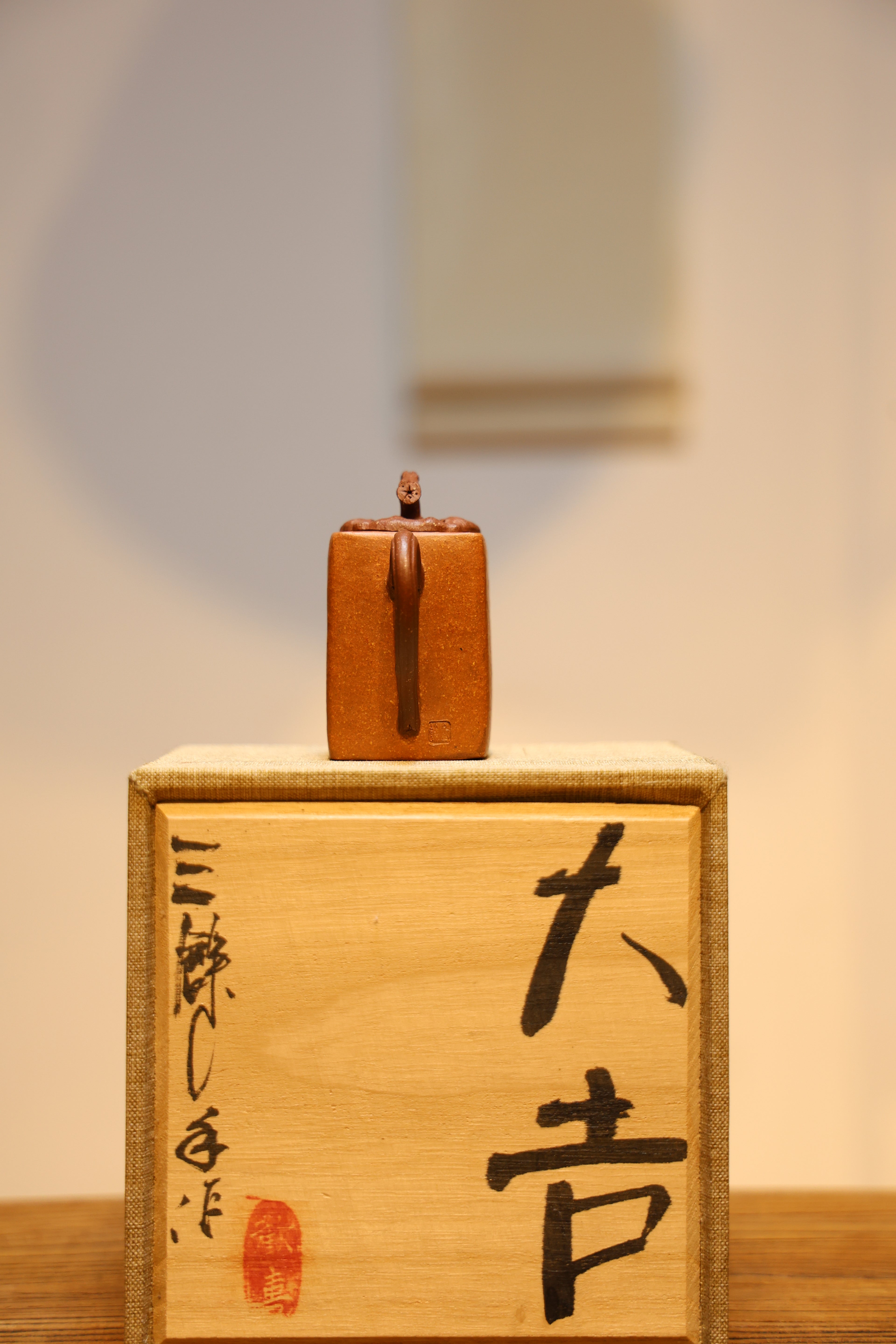
Ages of collectors have long valued the distinctive appeal of Yixing Zisha pots. Rooted in the small town of Yixing, the country, these teapots are made from a rare and collected purple clay acknowledged for its unmatched thermal characteristics and aptitude to elevate the taste of tea. Other than their serviceable benefit, Zisha teapots reflect a rich cultural roots, transforming them exceptionally valued and a bona fide marvel for any devoted teapot fan.
Exploring Yixing Kettles
Traditional teapots represent a distinct integration of history and skilled craftsmanship. Originating in Yixing, Jiangsu Locale of China, their narrative stretches the Ming Dynasty, although indications suggest earlier models. The distinctive purplish clay, called Zisha, found just in the Yixing region, is the crucial component, contributing to the pots' superior heat keeping and the manner they affect the quality of tea. Dynasties of potters have refined techniques—often relayed through families—including forming the clay, applying elaborate embellishments, and firing the pots at specific temperatures.- Back then, Yixing teapots were often embellished with simple designs.
- Later, more advanced carvings and pictorial motifs became prevalent.
- The heat treatment itself is a key element, requiring considerable time of experience.
Collecting Zisha Teapots: Vital Checkpoints
Initiating a mission to gather Zisha containers can be fulfilling, but it’s necessary to learn what to identify. Authenticity is important; focus on the material’s natural pigment, a gentle reddish-brown is conventional. Examine the texture; genuine Zisha has a notable tactile sensation, often depicted as slightly rough. The configuration should be well-proportioned and consistent with classic styles, while stamps, if present, require scrupulous examination for genuineness. Don’t hold back to consult with professional consultants or established contacts – their guidance is critical.
The Earthenware: Understanding the Lineage of Yixing Zisha Clay
Generations have seen Yixing Ming Clay teapots preserve a unique role in Chinese history. These meticulously formed pots, sourced specifically from the region of Yixing, are renowned for their recognizable tone, grain, and their ability to amplify the quality of infusions. Countless collectors value antique Yixing teapots, treasuring them considerably not only for their aesthetic grace, but also for the past they embody.
Yixing Zisha Teapots: Exceptional Ultimate Selections and Their Aspects
Ming Clay teapots, native to the celebrated section of Yixing, the state, are acclaimed for their exclusive clay and high-quality brewing aptitudes. Inside the numerous Zisha types, those kinds that are highly valued include Qingtian. Binzhou, known for its strong purple shade and silky texture, delivers a delicate flavor. Duan Ni subclass, recognizable by its rusty color and a bit grainy feel, is believed to enhance a richness. Lastly, Zhuni faction boasts an infrequent crimson tone and can offer a savory nuance. Each class presents a distinct experience, facilitating them notably desirable with beverage enthusiasts.
Perfecting Unique Clay Kettle
To tap into the capability of your Yixing vessel, knowing the correct means is crucial. These clay containers, celebrated for their texture, will incrementally take on the nature of the tea you infuse within them. Begin by washing the urn thoroughly with heated water. Then, use only high-quality fresh leaf tea, as lower quality options can harm the object’s delicate essence. Always allow the leaves to bloom completely, and remember that with each session, your Yixing jar will become progressively refined.
Caring for Your Precious Zisha Collectible
Proper attention for your Zisha urn is vital to sustaining its longevity and price. Zisha clay, recognized for its unique tone and structure, Chinese Teapot requires delicate handling. Never use abrasive agents, as these can harm the coating. After every action, rinse the vessel with gentle warm water and allow it to ventilate completely.
- Decline soaking the teapot for extended stretches.
- At intervals use a soft fabric to maintain the exterior.
- Think about applying a thin layer of food-grade fat inside the jar after drying, which can reduce staining.
A Beginner's Guide to Yixing Earthenware
Yixing kettles, originating from the Yixing region in Jiangsu Province, part of China, are celebrated for their distinctive peculiarities. Made from the unique purple ground known as Zisha, these earthenware are prized by tea enthusiasts worldwide. This overview will succinctly explain the pillars – covering types of Zisha soil, frequent shapes, and critical care helpful hints. Understanding the background of Yixing vessels can strengthen your appreciation for this revered example of Mandarin culture.
Skill of Mandarin Containers: Showcasing Zisha from Yixing City
Zisha ware from the Yixing district represents the apex of Oriental pitcher design, demonstrating a unique blend of earthy beauty and useful artistry. These exceptional pieces are celebrated for their intense shades, often varying from robust purples and chestnut hues to light greys and gentle beiges. The unique mineral composition of the indigenous Zisha terrain imparts a identifying texture and offers a enjoyable aroma that increases the entire beverage experience, transforming them extremely prized collectibles and vital components of any serious brew.